Luxury fashion is entering a pivotal moment. Artificial intelligence is no longer a future consideration or a back-office efficiency play – it is actively reshaping how luxury brands operate, make decisions and define talent.
What makes this moment different is speed. AI is not just improving productivity; it is changing what roles exist at all. Transactional and repetitive work is being automated, while expectations for strategic thinking, digital fluency and cross-functional collaboration are rising fast. Luxury, an industry built on tradition and long-established structures, is particularly exposed.
Despite growing investment, many luxury brands remain stuck in experimentation. AI is often treated as a digital initiative rather than a business priority, confined to isolated pilots instead of embedded into core creative, commercial and operational processes. This hesitation is risky. In an environment where cost pressures are rising and consumers expect seamless, personalised experiences, standing still is effectively moving backwards.
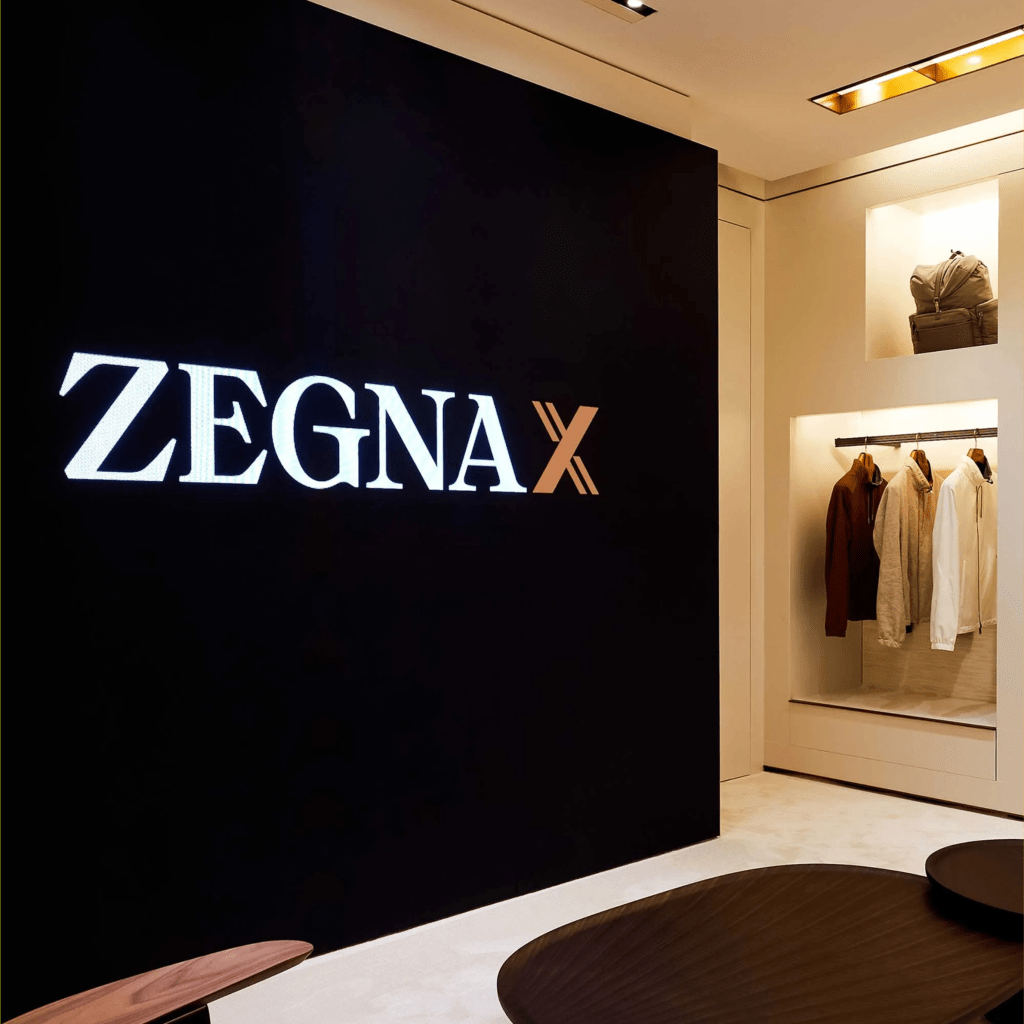
Some luxury players are already showing what meaningful adoption looks like. Zegna, for example, has introduced AI-powered clienteling tools that enhance – rather than replace – the human relationship at the heart of luxury retail. By equipping sales associates with richer customer insights, the brand is using technology to elevate service, not dilute it. This is where AI delivers real value in luxury: supporting people, not sidelining them.
The bigger challenge, however, is talent. AI is changing the nature of work across marketing, merchandising, e-commerce and retail operations. Skills that were once “nice to have” — data literacy, systems thinking, digital storytelling — are quickly becoming essential. Yet many organisations are underinvesting in upskilling, while continuing to rely on outdated structures and role definitions.
As someone who has worked in luxury retail as an e-commerce manager for the past few years, I have seen this shift up close. The gap between teams that are adapting and those that are not is widening. Expectations are increasing, resources are tightening and roles are quietly being redefined.
The reality is uncomfortable but clear: if luxury companies do not evolve their structures, and if employees themselves do not take responsibility for developing new skills, jobs will be lost. Not because AI replaces creativity or craftsmanship, but because it exposes inefficiency, inertia and skill gaps.
Luxury has always been about excellence and adaptation. The brands – and people – that embrace this pivotal moment will shape the future of the industry. Those that don’t risk becoming irrelevant in a market that is moving faster than ever.
 Fashion Intellectual