The Rise of the AI Shopper: Fashion’s Next Power Consumer
According to The State of Fashion 2026 by The Business of Fashion and McKinsey & Company, artificial intelligence is already disrupting how consumers discover fashion. In the years ahead, autonomous AI shopping agents may act on their behalf by monitoring prices, comparing products, and even completing purchases automatically.
This means the next “customer” browsing a fashion website may not be human at all.
To remain visible and favoured by AI models, brands must rethink their digital marketing and e-commerce infrastructure. Semantically rich product data, structured content, and API-accessible catalogs are becoming essential in a world where machines increasingly influence what gets seen, recommended, and purchased.
From Scrolling to Delegating: How Consumers Are Shopping with AI
This shift is no longer hypothetical. It is already shaping consumer behaviour.
The report highlights that 53 percent of U.S. consumers who used AI for search in 2025 also used it to help them shop. Instead of manually browsing pages of products, shoppers are delegating discovery and comparison to AI systems that can filter options instantly based on price, fit, availability, and personal preferences.
Shopping is moving away from endless scrolling and toward instruction-based discovery, where consumers describe what they want and AI does the work.
The Clueless Closet Is Real Now
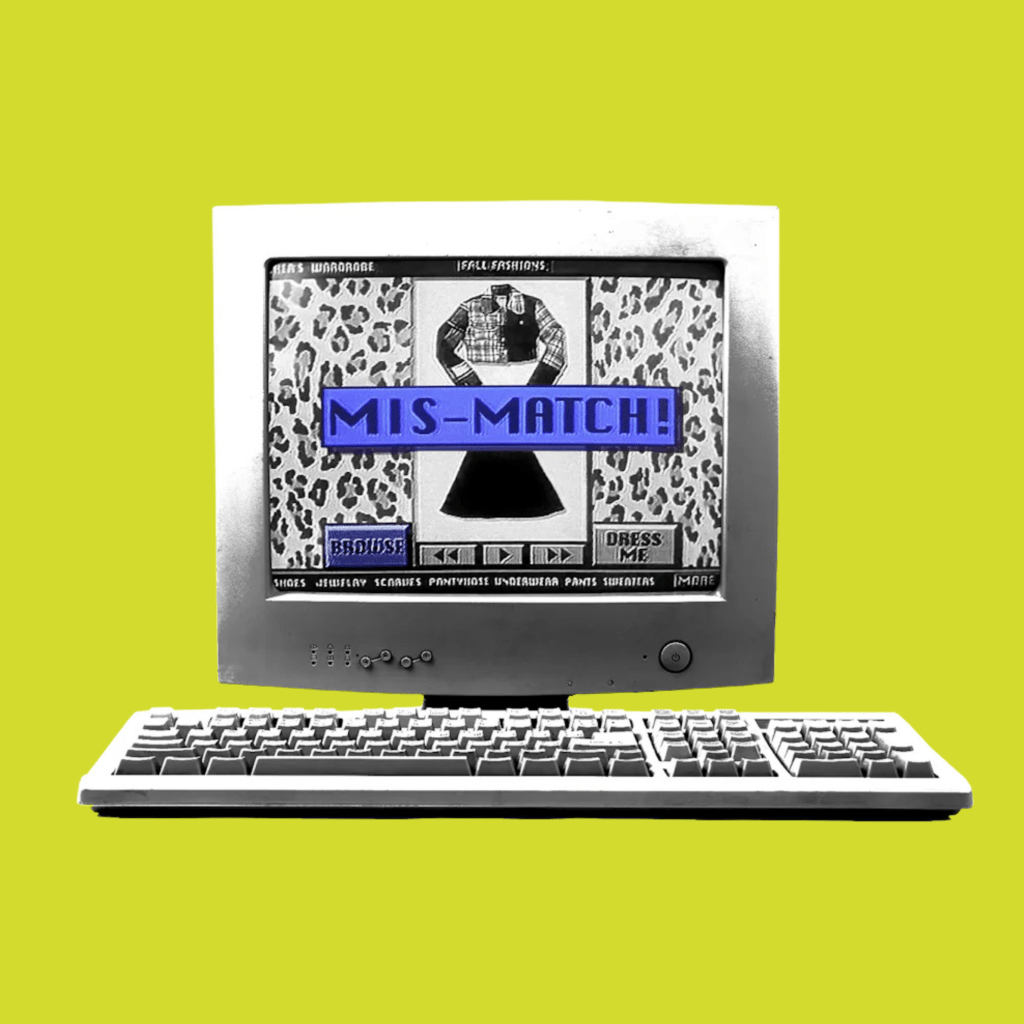
The iconic Clueless movie scene where Cher’s computer selects her outfit no longer feels futuristic. Today’s AI shoppers are bringing that concept to life at scale, with real product data, real retailers, and real checkout flows.
Modern AI shopping tools already act as digital stylists, personal shoppers, and research assistants. Amazon’s conversational shopping assistant Rufus helps users compare products and understand reviews using natural language. The Shop app by Shopify uses AI to personalize recommendations and turn post-purchase data into future discovery. Google’s AI-powered shopping experience summarizes products, compares prices, and recommends options directly within search results, often before a consumer even reaches a brand’s website.
In the fashion and retail tech space, platforms like Lily AI translate emotional language such as “romantic,” “effortless,” or “bold” into structured attributes that machines can understand. Vue.ai and Syte focus on visual AI, allowing shoppers and AI agents alike to discover products based on images, patterns, and similarity rather than keywords alone.
General-purpose AI assistants such as ChatGPT and Perplexity are also evolving into shopping companions, helping users research, compare, and increasingly move toward purchase decisions. Together, these tools represent the early stages of AI shoppers that don’t just suggest what to buy, but actively influence how buying happens.
Why AI Shoppers Change the Rules for Fashion Brands
AI does not shop the way humans do. It prioritizes clarity, structure, and consistency over emotion or impulse. Product data needs to be detailed, accurate, and machine-readable for AI systems to confidently recommend it.
For fashion brands, this means that vague descriptions, inconsistent sizing information, or poorly structured catalogs can result in invisibility. If an AI cannot understand a product clearly, it is unlikely to surface it at all.
In this new landscape, discoverability is no longer just about aesthetics or storytelling. It is also about how well a brand communicates with machines.
Designing for Humans and Machines
As AI shopping agents become more autonomous, brands will increasingly be selling to two audiences at once: the human who wants to feel inspired, and the machine that needs to understand every detail.
The brands that succeed will be those that balance creativity with clarity, emotion with structure, and storytelling with data. In the age of the AI shopper, being beautiful is no longer enough. Being intelligible may be just as important.
Because the future of fashion commerce is not just about who shoppers are. It is about who, or what, is doing the shopping.
 Fashion Intellectual